 View documentation













1. Create
Customers, products, options, prices and payment methods are captured as the basis for the subscription.
For recurring business models
Manage customers, products, subscriptions, options, terms, pauses, cancellations and changes in one platform. tebio combines flexible subscription models with easy operation in the Business Portal, Hosted Pages, API, Webhooks, billing, payments and finance processes.
 Customer
 Product / option / price
 Subscription
 Lifecycle change
 Billing / Billrun
 Invoice / payment
 API / Webhooks / Finance






Recurring business models often start simple: one customer, one product, one price. Over time, however, different plans, options, terms, discounts, pauses, cancellations, payment methods, invoices, customer data, integrations and special cases emerge. Without a central platform, these processes quickly become confusing.
 Customers have different products, plans or options.Subscriptions change during their term.Upgrades, downgrades, pauses and cancellations must be processed in a traceable way.Prices, discounts and billing logic differ by business model.Billing, payments, invoices and customer communication must fit together.Internal teams need a clear view of status, history and downstream processes.External systems must be informed about subscription changes.Manual processes lead to errors, follow-up questions and extra work.
With tebio, you manage customers, subscriptions, products, options, prices, discounts, terms, changes, pauses and cancellations in one platform. The Business Portal, Hosted Pages, API and Webhooks access the same data and connect subscription management with billing, payments, invoices and finance processes.
The platform is flexible enough for different business models and still designed so that operational teams can easily handle daily subscription processes in the Business Portal.
tebio supports subscription processes from the first sign-up to changes, pauses, cancellations, billing and the integration of external systems.
Customers, products, options, prices and payment methods are captured as the basis for the subscription.
A subscription is created via the Business Portal, a Hosted Page, an order or the API and can be used for further processes.
Status, terms, options, attributes, documents and event histories remain traceable.
Product changes, option changes, upgrades, downgrades and scheduled changes can be taken into account in the lifecycle.
Subscriptions can be paused and resumed later, depending on the respective business model and the configuration.
Cancellations can be recorded in a traceable way and taken into account for downstream processes such as billing, communication or system integration.
The subscription is the basis for rating, billrun, invoices, payments, corrections and finance processes.
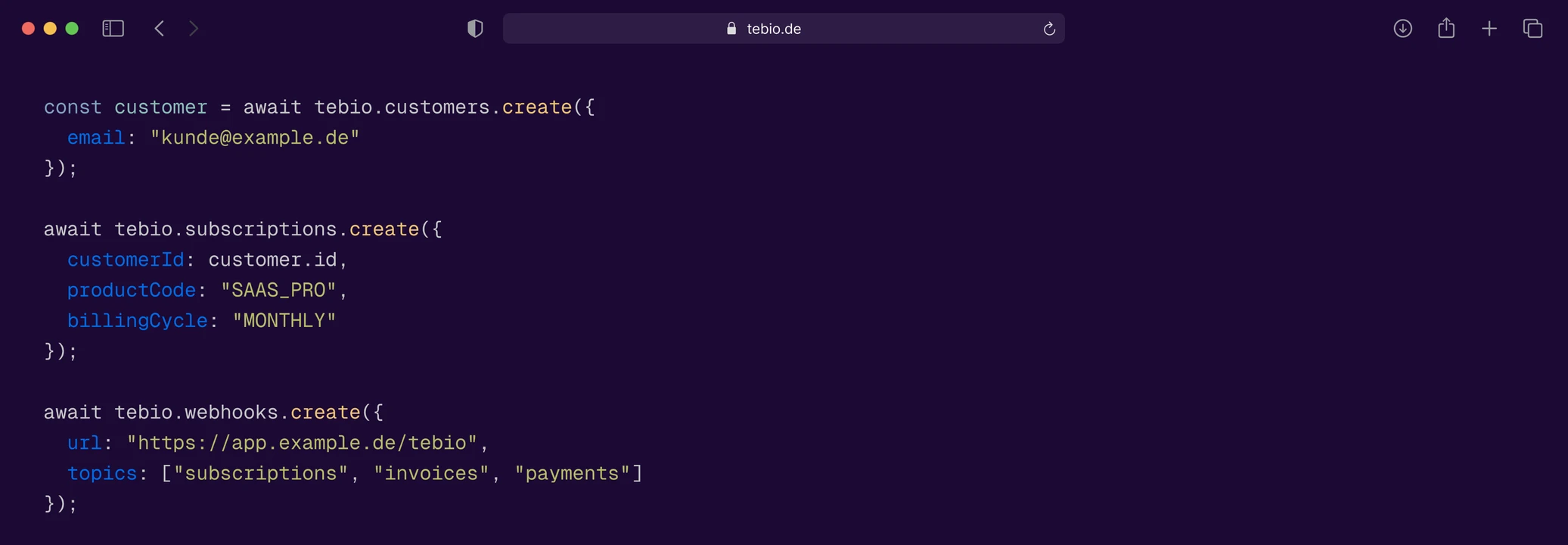
API and Webhooks inform external systems about relevant subscription events.
Manage customers, contacts, addresses, attributes, subscriptions, documents and event histories centrally in the Business Portal. This way, support, sales, operations and finance keep track of active and past subscription processes.
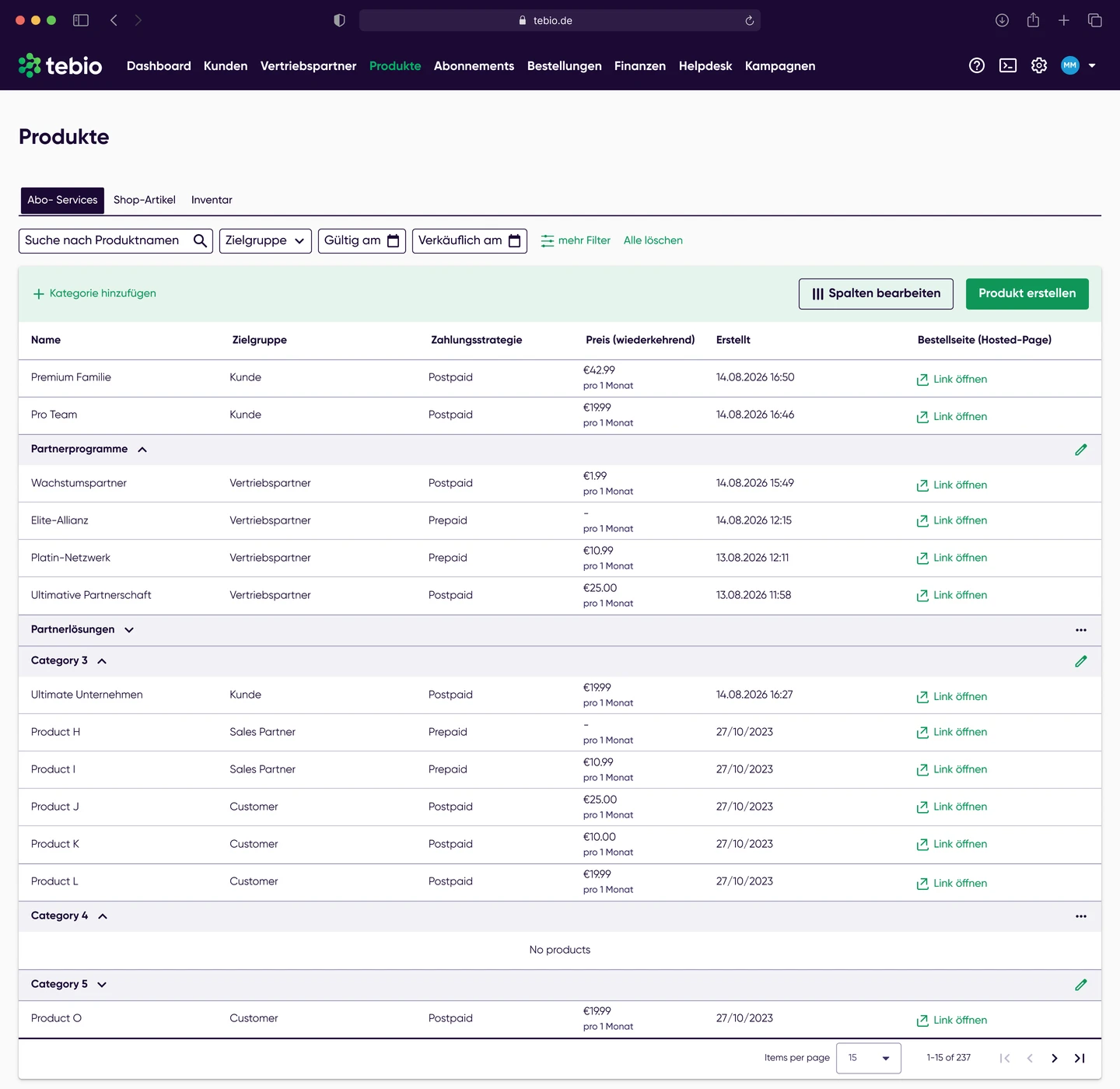
Represent plans, packages, add-ons, terms, prices, discounts and different business models through products, options and pricing logic.
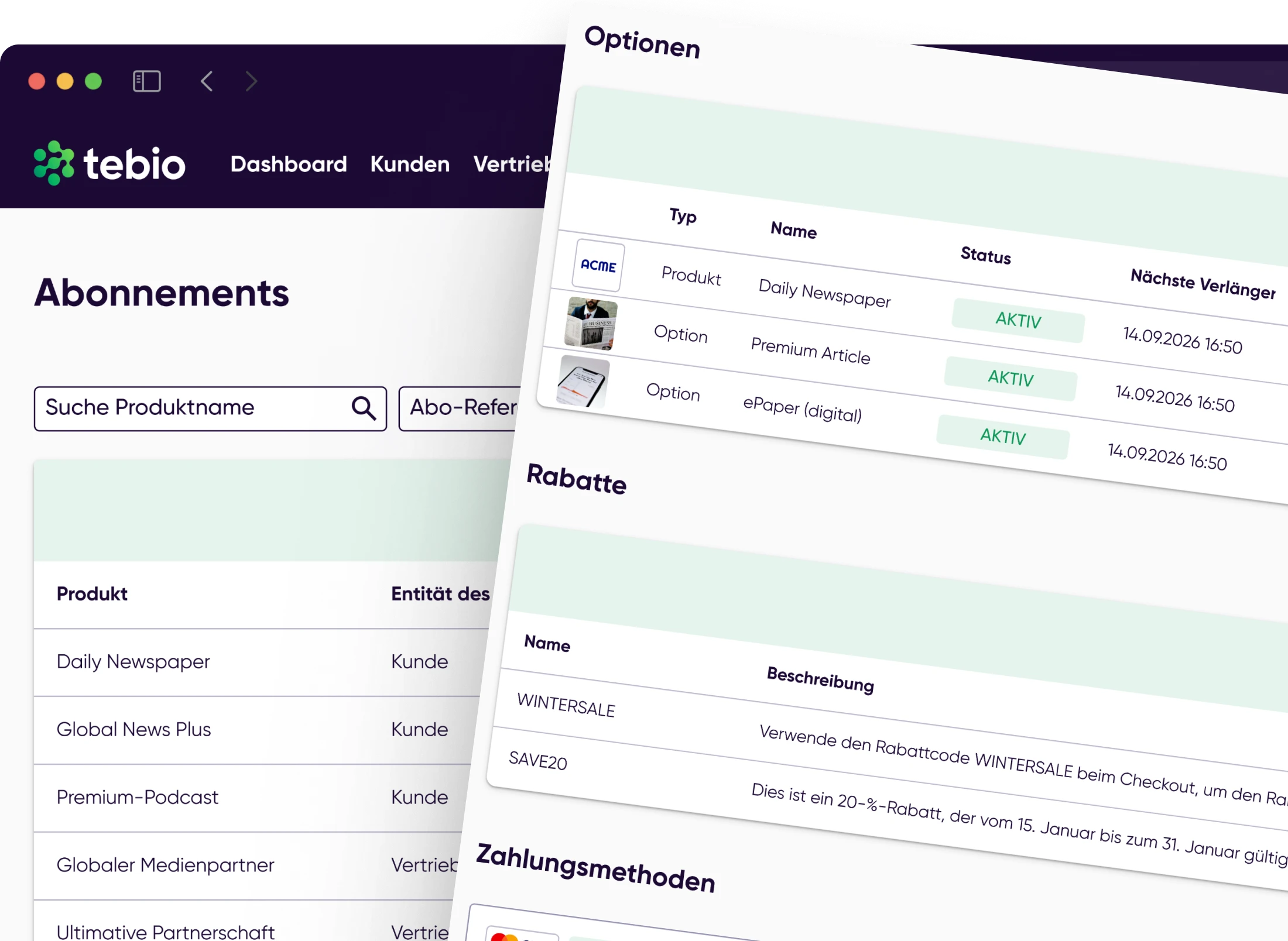
Product changes, option changes, upgrades, downgrades, pauses and cancellations can be mapped in the subscription lifecycle and used for downstream processes.
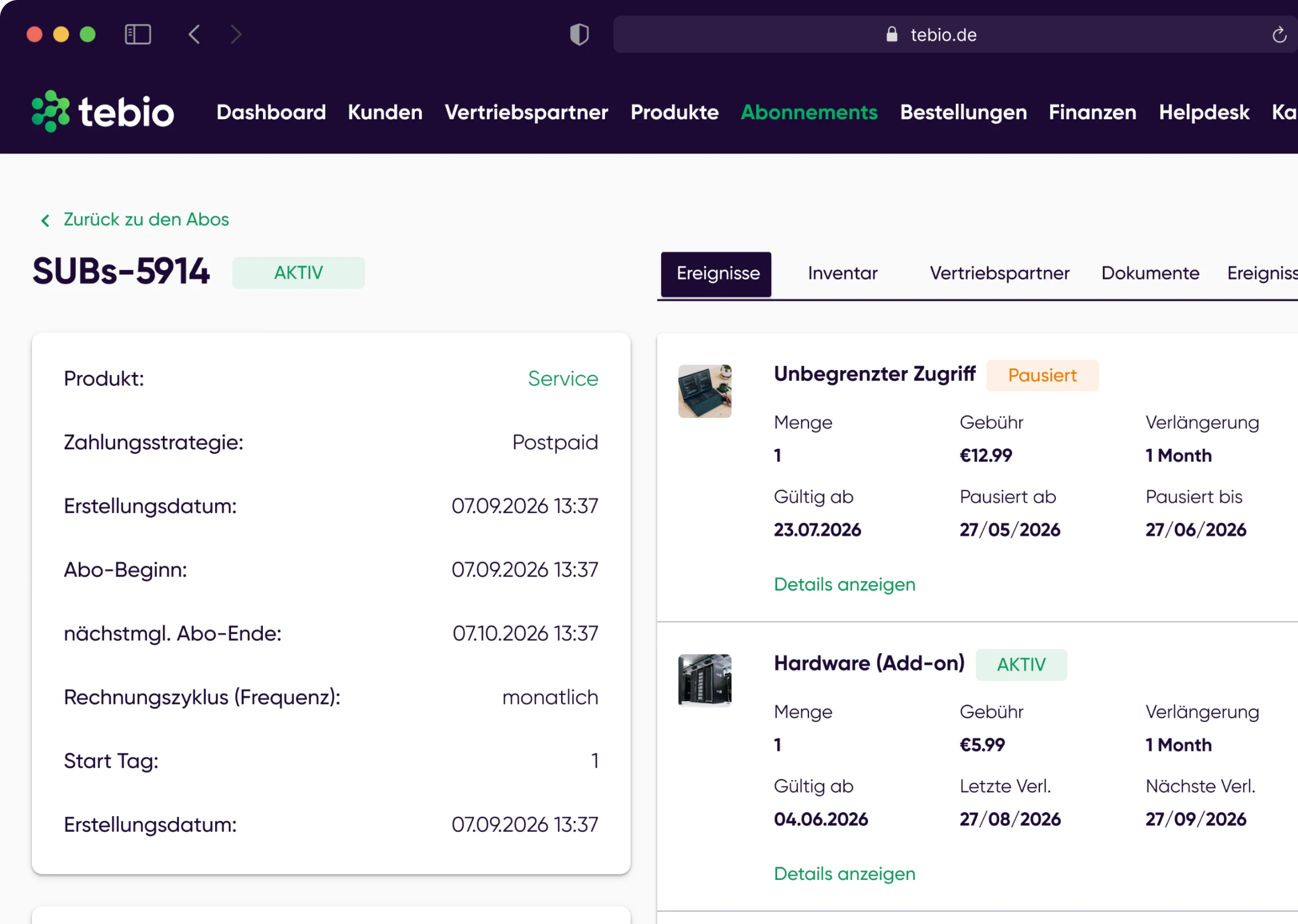
Customers can have multiple subscriptions, products or contractual relationships. tebio supports a structured view of customers with multiple active or past subscriptions.
Additional attributes, references or customer-specific information can be used to adapt subscriptions to industry-specific or internal processes.
Technical resources, device references, access credentials or other business references can be taken into account in the subscription context if the business model requires it.
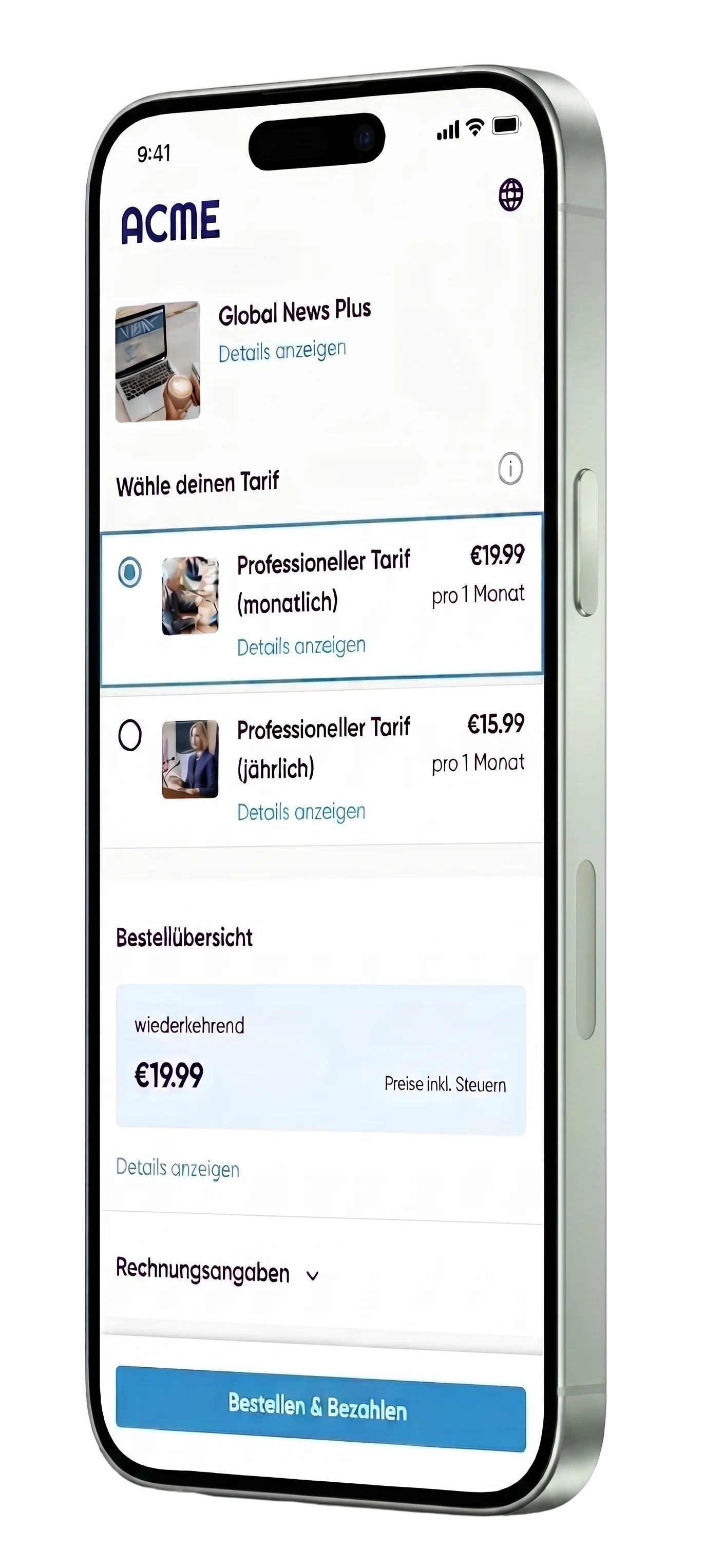
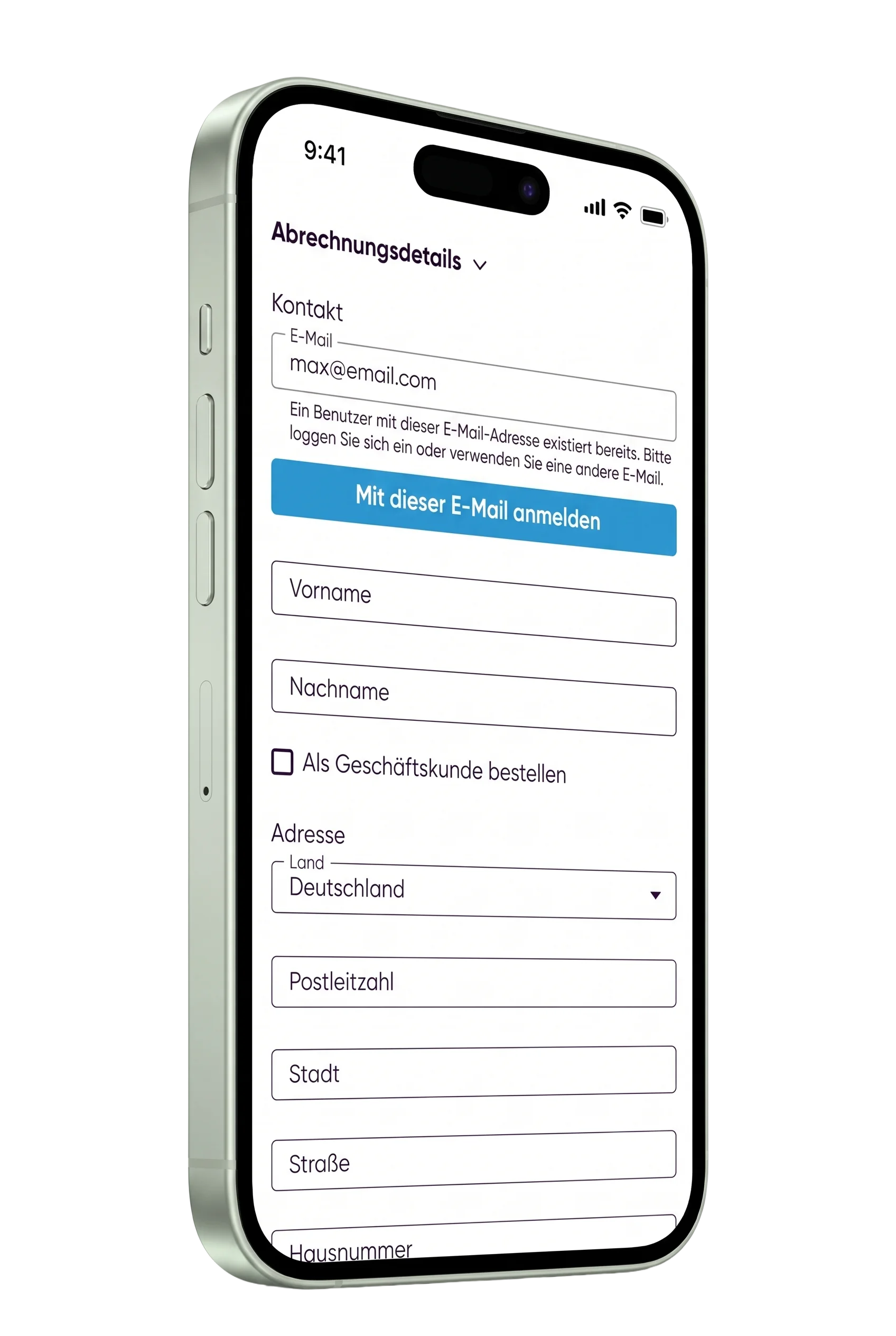
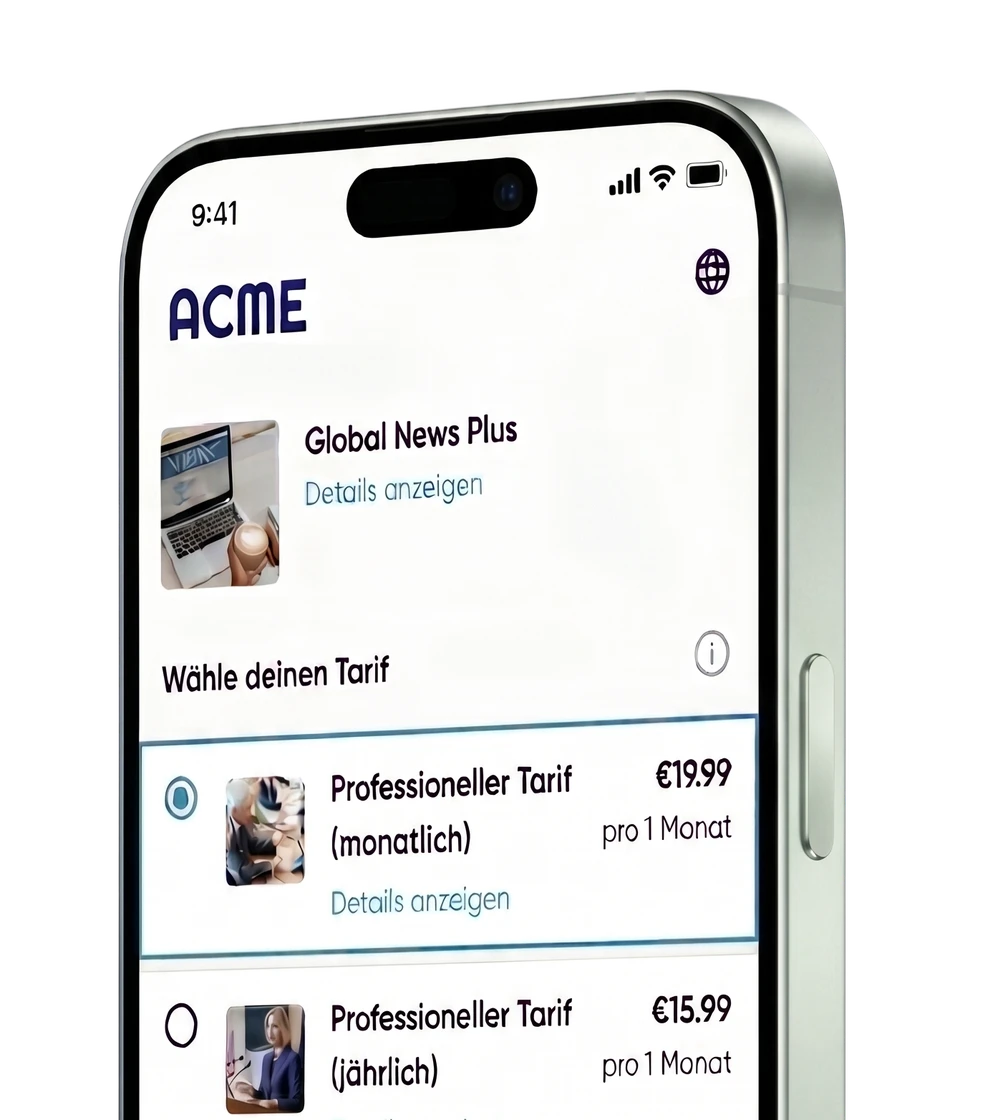
Subscriptions can be created via customer-facing Hosted Pages or influenced by Self-Care processes. This lets you connect digital customer processes with the subscription lifecycle.
Subscription data and lifecycle events can be connected with external systems via API and Webhooks — for example product backends, CRM, ERP, finance, provisioning, content access or a data warehouse.
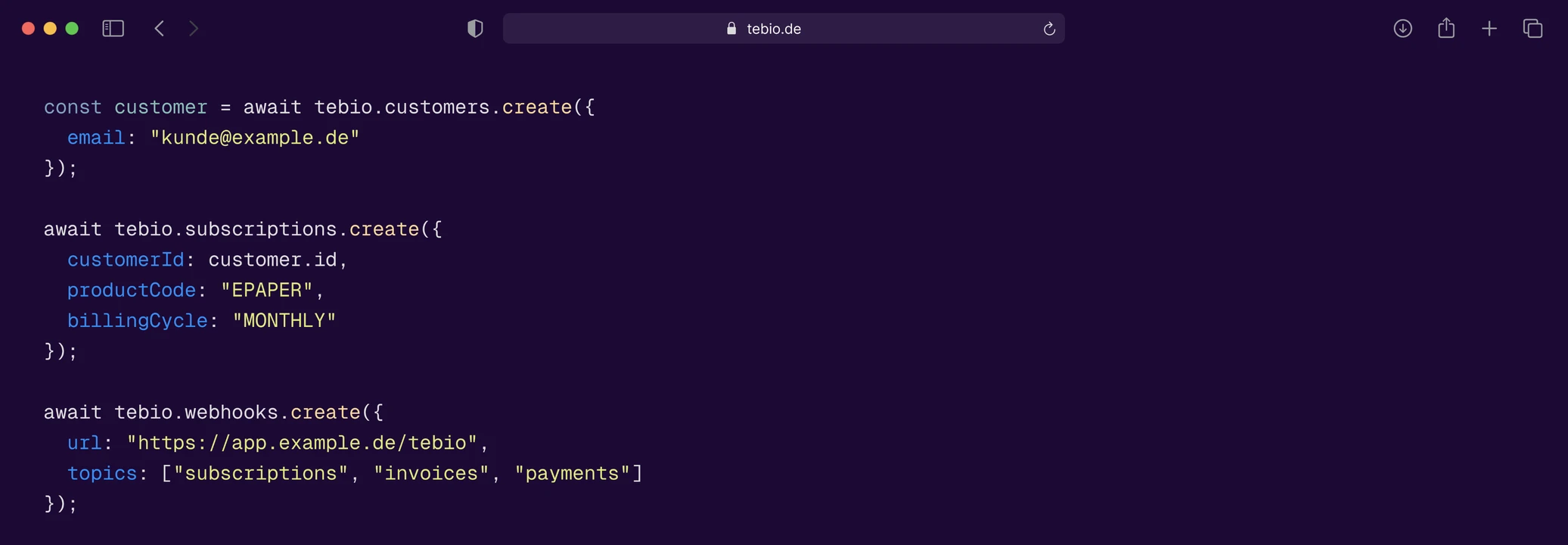
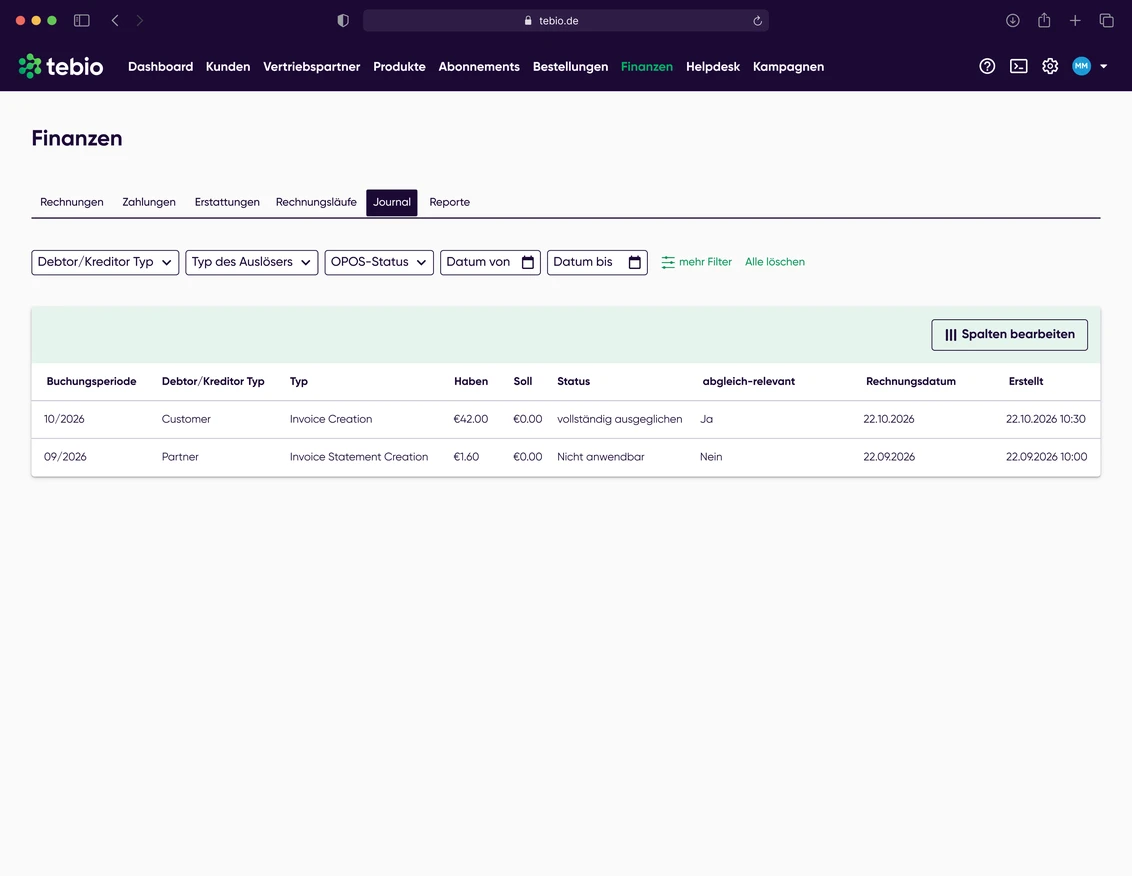
Subscriptions form the basis for recurring billing, billruns, invoices, payment status, open items, refunds and finance processes.
Subscription management has to adapt to the business model, not the other way around. tebio supports different products, terms, payment and billing models without operational teams having to manage every special case manually outside the system.
Subscription processes can be designed differently for business customers and consumers.
Business models with advance payment or billing in arrears can be mapped in a commercially structured way.
Base plans, additional options, add-ons and package logic can be managed via the product model.
Subscriptions can combine recurring fees with one-time or usage-based components.
Discounts can apply to products, options or specific fees and can be used for offers or special conditions.
Lifecycle events can be processed in a traceable way and connected with billing, communication and integration.
Publisher subscriptions, mobile plans, healthcare licenses, IoT services, gym memberships or B2B services can be mapped with suitable product and subscription structures.
External systems can be connected via API and Webhooks when subscription data is needed outside of tebio.
Flexibility must not mean that daily processes become complicated. tebio provides key subscription processes in the Business Portal so that teams can search for customers, review subscriptions, make changes and trace transactions.

Teams find existing subscriptions and see status, customer data, product, term and relevant details.

Changes to subscription data, attributes or ongoing processes can be made in the Business Portal in a traceable way.

A product change can be used when a customer is to switch to a different plan or offer.

Additional options, add-ons or alternative options can be booked or changed.

Pauses can be recorded if the business model provides for interruptions or temporary changes.

Cancellations can be documented in a traceable way in the subscription lifecycle and used for downstream processes.

Documents and event histories help teams trace the history of a subscription.

With the helpdesk and customer context, requests about subscriptions, invoices, payments or contracts can be handled in a structured way.
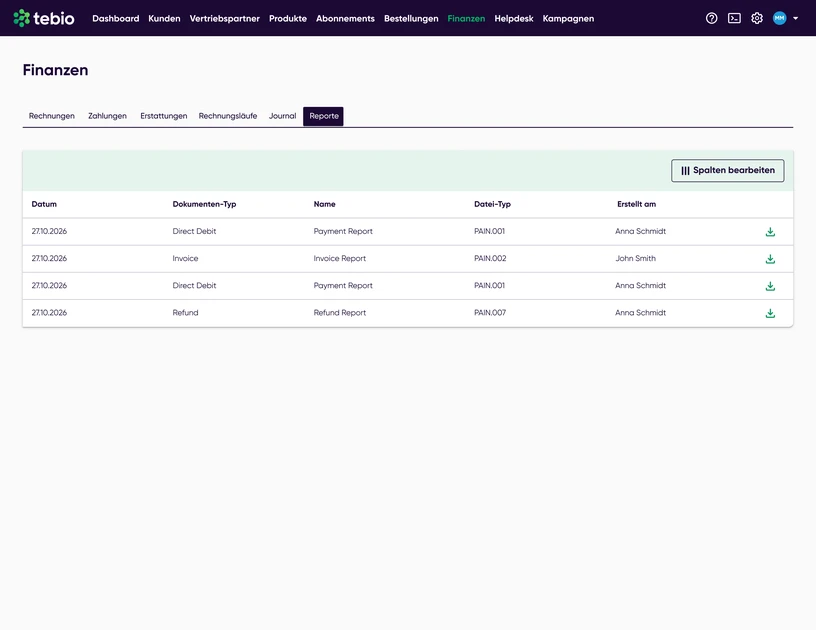
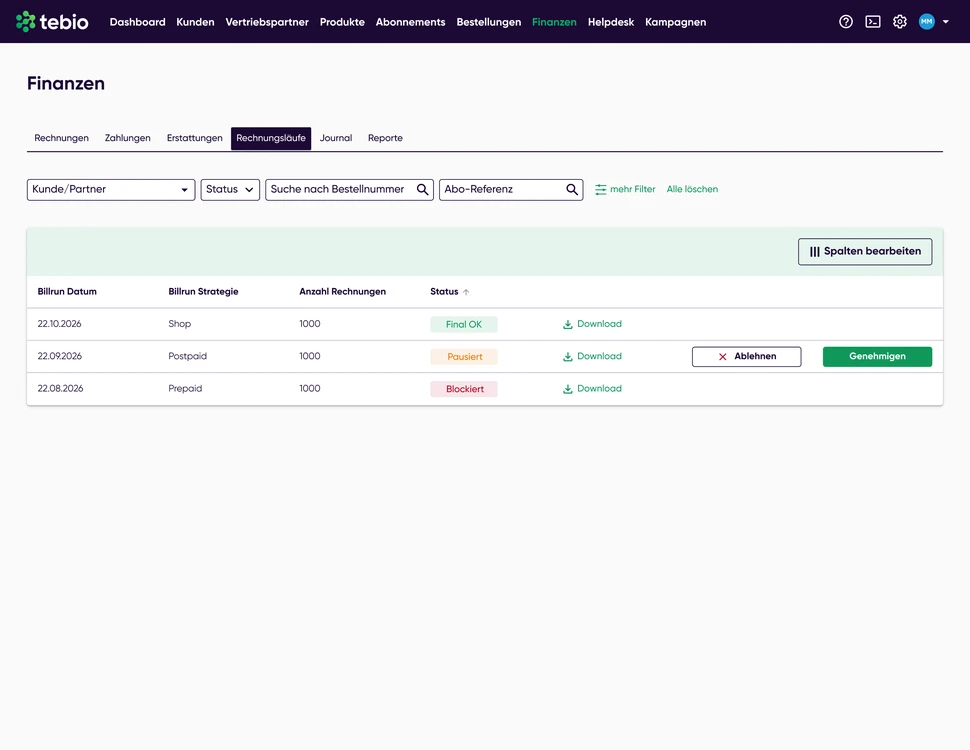
In tebio, subscription management is not isolated. Subscriptions are the basis for billing, invoices, payments, corrections, reports and finance processes.
Billrun RatingInvoice / receiptSubscription
 Payment statusFinance / Reports / Webhooks
tebio is not limited to a single subscription model. The platform can support different business models in which customers regularly book, change, use and pay for services.

Subscriptions, upgrades, add-ons, Self-Care, API integration and recurring billing.

Print, e-paper, digital and bundle subscriptions with delivery types, Self-Care, payments and content access.

Plans, options, prepaid, postpaid, usage-based billing, allowances and provisioning integration.

Digital offerings, licenses, organizations, subscriptions, billing, Self-Care and access processes.

Device subscriptions, service contracts, resources, usage-based billing and system integration.

Memberships, training packages, SEPA payments, Self-Care and digital support processes.
The tebio documentation shows step by step how to set up customers, products, subscriptions, options, prices, changes, billing and integrations.
 Create, search and edit subscriptionsManage existing subscriptions and review status, data and history.Change productFind out how product changes are handled during the subscription term.Book / change optionsLearn how additional options and option changes work in tebio.Pause a subscriptionUnderstand how pauses can be used in the subscription lifecycle.Cancel a subscriptionFind out how cancellations are processed in a traceable way.Products, options and pricesUnderstand how the product model, options and pricing logic work together.Billing logicUnderstand rating, billrun, invoices, payments and downstream processes.How portal, API and Hosted Pages work togetherLearn when to use the Business Portal, Hosted Pages, API and Webhooks.
Subscription management with tebio means managing customers, products, prices, options, subscriptions, terms, changes, pauses, cancellations and downstream processes in one platform.
Yes. tebio can support different products, options, prices, terms, discounts, prepaid and postpaid models as well as industry-specific subscription structures. The specific design depends on the respective business model and the configuration.
Yes. Many daily subscription processes can be handled in the Business Portal, for example searching for subscriptions, reviewing details, booking options, changing products, recording pauses or documenting cancellations.
Yes. Hosted Pages can provide order flows, checkout and Self-Care processes. The exact scope depends on the respective configuration.
Yes. tebio provides an API and Webhooks so that external systems can respond to subscription data and lifecycle events.
Yes. In tebio, subscriptions form the basis for rating, billrun, invoices, payment status, open items, reports and other finance processes.
Yes. Customers can have multiple active or past subscriptions. This allows different products, contracts or service relationships to be managed per customer.
Yes. Product changes, option changes, pauses and cancellations can be mapped in the subscription lifecycle and used for billing, communication, Webhooks and other downstream processes.
No. tebio connects subscription management with billing, payments, Hosted Pages, API, Webhooks, helpdesk, communication and finance-related processes.

Start for free with tebio or talk to us about how you can connect customers, products, subscriptions, billing, payments and integrations in one platform.






 Buyer reference

 Project reference
 Contract reference
 Order reference